IHNS and CIGP Sign MoU to Strengthen Federalism and Good Governance in Nepal
07 December, 2025
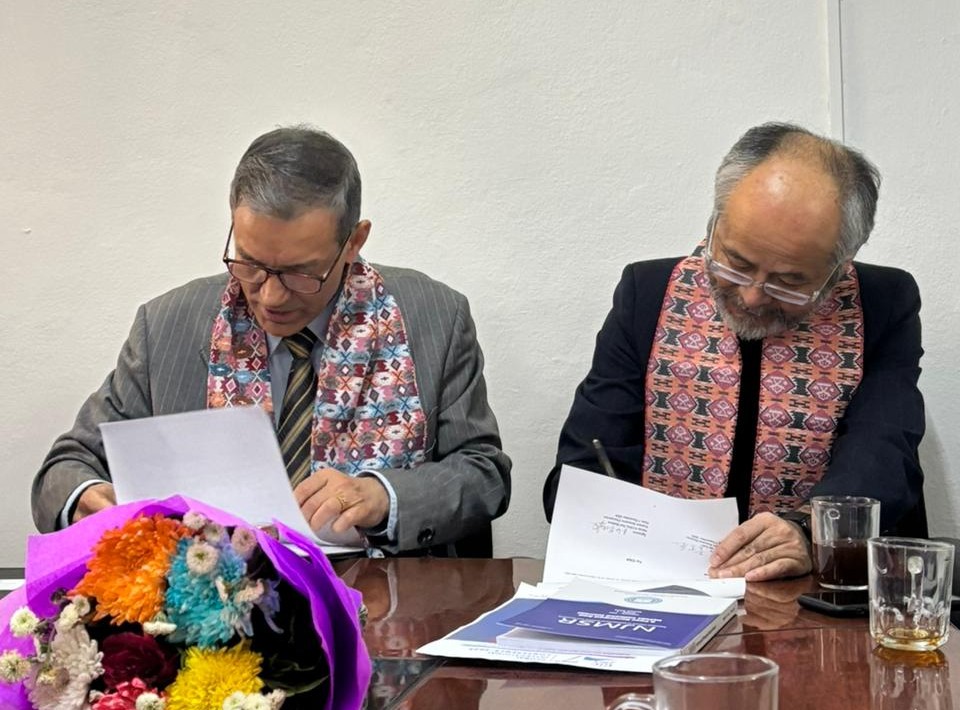
The Institute for Hyper Network Society (IHNS) along with the Center for Innovative Governance Practices (CIGP) have gone into a formal partnership which will help federalism, governance systems, and citizen-centered policymaking in Nepal. The Memorandum of Understanding (MoU) was signed at the CIGP office in Kathmandu by Eiji Aoki, the Executive Director of IHNS and Krishna Hari Baskota, the Executive Chairperson of CIGP on Sunday.
The MoU shows that the different institutions working in the areas of governance, policy innovation, and civic engagement need to cooperate and coordinate their activities more than ever due to Nepal's evolving federal structure. It can be inferred from the signing discussions that the representatives of both organizations mentioned that the governments at national and sub-national levels should communicate better, there should be collaboration between the stakeholders and policymaking should be based on evidence.
The MoU is a mutual understanding which will support IHNS and CIGP working together in the areas of research, policy support, leadership development and advocacy. The two institutions highlighted the importance of closing the gap between policy and practice, which is not only crucial for establishing democracy but also for making governance effective for the people.
According to the terms of the agreement, the organizations will cooperate in promoting good governance by means of conducting research together, engaging in policy dialogues, and creating stakeholder platforms. Furthermore, they expect to obtain necessary government approvals to develop and implement training courses on governance and federalism. The exploration of collaboration on joint bids related to governance projects is also among the institutions' priorities, provided that the project is within their institutional mandates.
The Memorandum of Understanding shall be in force for one year from the date when the parties sign the MoU, with the possibility of extension if both parties agree. Even though there will be no money paid between the partners, the financial needs for each party will be covered through separate agreements that will be limited to a particular project.
The IHNS and CIGP optimism about the partnership's role in the federal governance advancement process, policy systems strengthening, and the creation of more inclusive and responsive public institutions throughout Nepal is expressed.
Related News & Updates
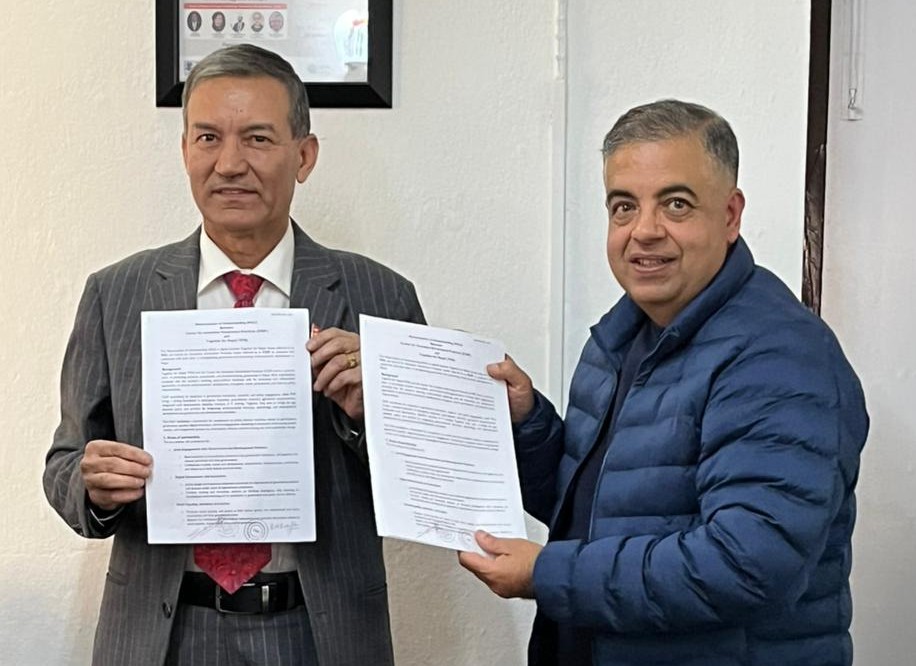
CIGP and TFN Sign MoU to Advance Good Governance, Digital Innovation, and Social Inclusion
The Center for Innovative Governance Practices (CIGP) and Together for Nepal (TFN) Learn More
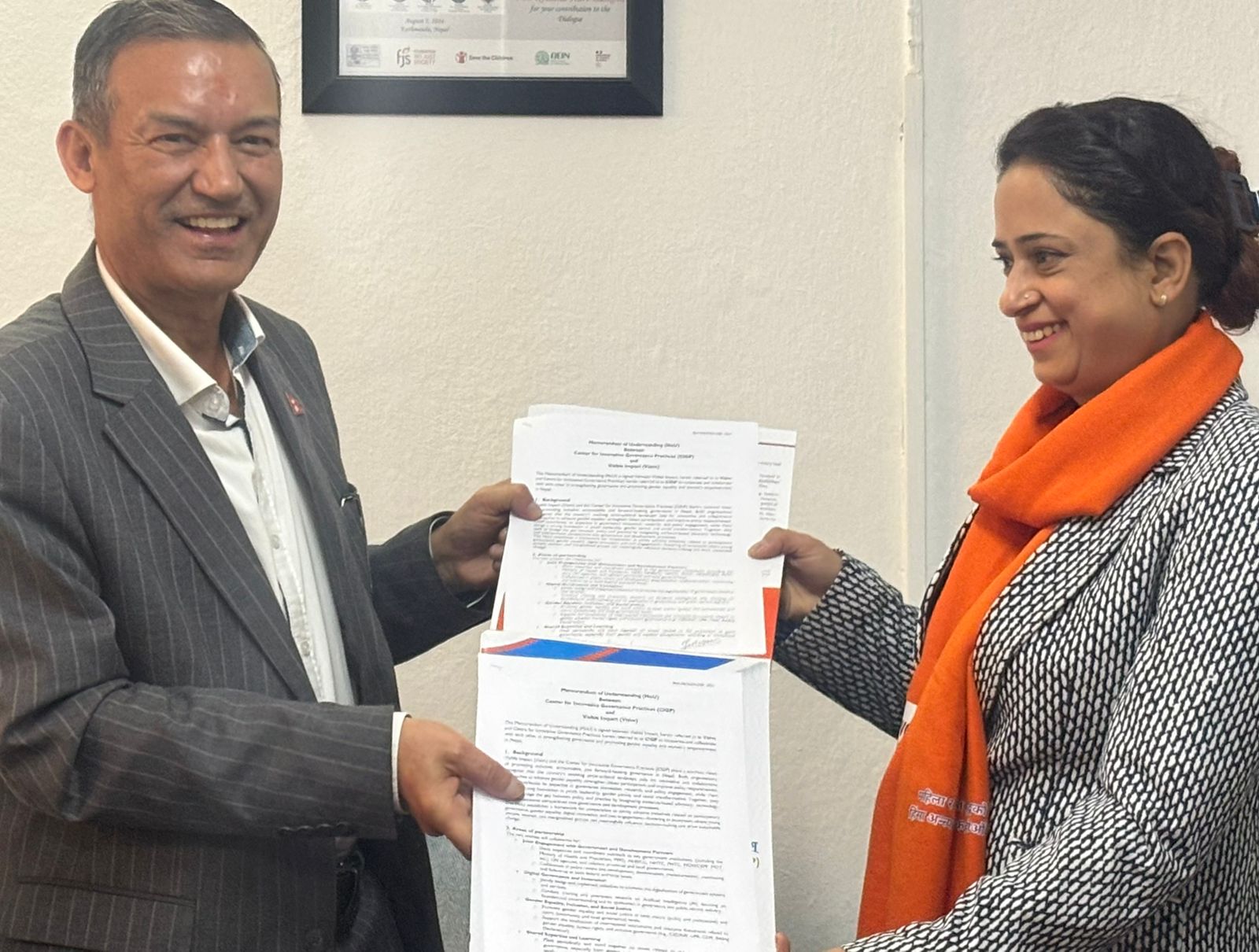
CIGP and Visible Impact Sign MoU to Strengthen Governance, Gender Equality, and Digital Innovation in Nepal
Center for Innovative Governance Practices (CIGP) and...
Learn More
राज्यको नयाँ परिकल्पनाको अवधारणा
नेपालमा सरकारको परम्परागत सञ्चालन प्रणालीमा नयाँ सोच र आधुनिकता ल्याउने प्रयास स्वरूप केही प्रयास...
Learn More